
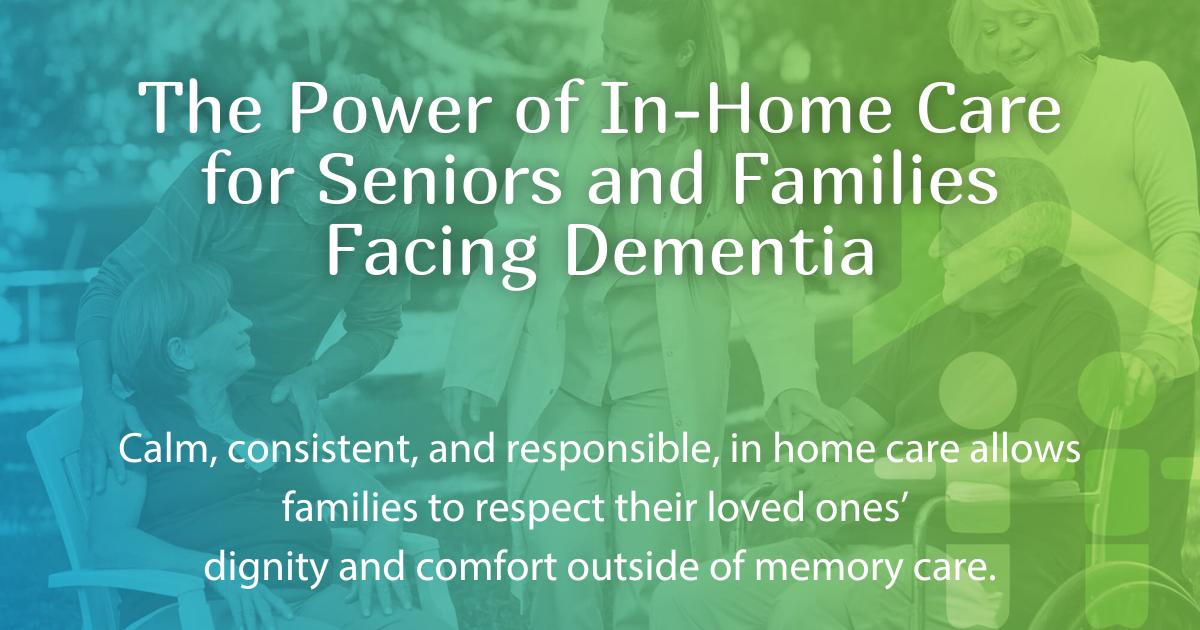
Caring for a loved one with dementia can be both an honor and a considerable challenge. Memory care facilities and even day programs are costly, leaving families in a difficult position. Seniors and their family members are choosing home care solutions not just for comfort, but for safety and familiarity. Hiring in home care in San Diego can offer a stable path forward, especially when facility care is out of reach.
In Home Care Alternative to Facility Care
When facility care isn’t an option, families can find relief with in-home caregiving. The tremendous expense and lengthy wait lists for memory care reinforce the importance of finding help directly in a senior’s home. Many older adults also prefer to remain in familiar surroundings, making personalized in-home care for dementia that much more appealing. Indeed, companion caregivers can fill the gap by offering daily assistance—cooking, bathing, medication management, and even emotional support—at a fraction of the cost of a full memory care facility.
The Role of In Home Care in Family Support
At its best, in-home care goes beyond cooking and medication reminders. It’s about forging a relationship that helps seniors maintain independence and a sense of self. Older individuals can experience agitation, anxiety, or even deep confusion when faced with memory challenges. Providing a calm, consistent presence is crucial during times of stress or rapid change. Even in families with multiple caregivers, outside support diffuses and lightens the burden. Spouses and children can attend to work and personal responsibilities without fear that their loved one is left alone or uncared for.
Private arrangements with a home care aide ensuring that a senior’s needs are met can make all the difference. If families have the resources, even part-time help can provide consistency in daily routines. Bathing, feeding, housekeeping, and errands can all become less stressful with experienced, compassionate help. This can be a lifeline for caregivers who juggle jobs, children, and social obligations. It gives breathing room for everyone involved, for work, for housekeeping, for an uninterrupted nap. Respite is vital for caregivers’ long-term emotional and physical health. AARP reported that in 2021, family caregivers provided 36 billion hours of (unpaid) care.In home care is a dependable resource for family members who need to manage other responsibilities during some part of the day.
Adaptability of Companion Caregivers
In home care for dementia is an excellent caregiving solution for families. Individual providers or small agency teams can adapt quickly to a senior’s evolving needs. They handle lighter tasks that don’t require full clinical training but tackle the challenges of daily living for someone with dementia or Alzheimer’s disease. Memory issues can bring emotional turmoil, confusion, and agitation. Having a consistent, one-on-one companion can help mitigate these problems. Privately hiring a trained companion caregiver is a practical solution for many families.
Companion Care Addresses Emotional Needs and Social Isolation
Companion caregivers can help families and seniors navigate the mental and emotional toll of isolation. Home care aides not only provide medical and custodial assistance but also social connections. Families may note a decline in their loved one’s overall satisfaction and health without group gatherings or community activities. Though a caregiver can’t always replace the social energy of a group, it does bring much-needed human interaction. A caregiver can talk, play music, read aloud, or simply share small daily routines with the senior, offering reassurance and companionship.
Personalized Care at Home: A Lifeline for Families
Ultimately, each household’s situation varies, and not every family has the resources to hire a companion caregiver for 40 or more hours a week. But the right home care agency in San Diego offers home care solutions for 10 or 20 hours weekly, presenting a life-changing option. Seniors with memory challenges can remain in the comforting surroundings of their home while receiving dedicated, personalized attention. At the same time, younger family members can pursue jobs and other responsibilities with peace of mind.
Empowering Families with Companion Caregivers
Given the emotional complexities of dementia care, one conclusion becomes clear: the potential benefits of a companion caregiver are numerous. They include enhanced safety, assistance with daily tasks, emotional support, and greater flexibility for family members. In-home care for dementia allows families to craft their own solutions.
Calm, consistent, and responsible, home care aides allow families to honor their loved ones’ dignity and avoid the burden of expensive facilities. A companion caregiver can be the practical, human solution that helps families move forward, day by day, with confidence.